Workplace relationships
For managers, leaders and teams. Conducting interviews, delegation, feedback and conflicts in the team.
Program detail
English translation prepared with machine translation. The Slovak version is the original. Documents, recordings and text in images retain their original language.
At work and at home. Small groups, practice in a safe environment and a concrete next step to take away.
For managers, leaders and teams. Conducting interviews, delegation, feedback and conflicts in the team.
Program detailThe variant for national and public administrations is part of the relevant programme.
For individuals, partners and families. Open communication, emotions, boundaries and responsibility.
Program detailA variant for young people aged 15–24 is part of the relevant programme.
For all generations. Education is appropriate at all ages.
Openness, authenticity and congruence.
Say what you really think without attacking or backing down.
Empathetic, active and understanding.
Listen to what the other person says and check that you understand it correctly.
Unconditional positive regard.
Consider a person’s views as they are, even when you disagree, while remaining true to your own values, opinions and integrity.
Support for personal growth.
Understand what others want to achieve and help them discover for themselves how to achieve it.
We all have the skills for good relationships within us. Our environment, at home, at school and at work, gradually leads us to stop using them. My work is to help you rediscover what is already within you and begin using it consciously, then unconsciously and naturally.
A technique taken from a handbook sounds like a technique in a relationship, relying on rules and advice you will eventually forget. Rediscovering and using your four skills is enough to deal naturally with your workplace and personal situations. People can tell the difference between genuine interest and a method.
They are based on the human-centred approach of Person Centered Approach, PCA, developed by American psychologist Carl Rogers.
Origin of the methodThe topic opens up through specific situations known to participants from life or work.
Together, we name what the conversation supports, what blocks it and what emotions have in it.
A new way of communication is safely tested in conversation, model situations and feedback.
Each participant takes a specific step to use in its own environment.
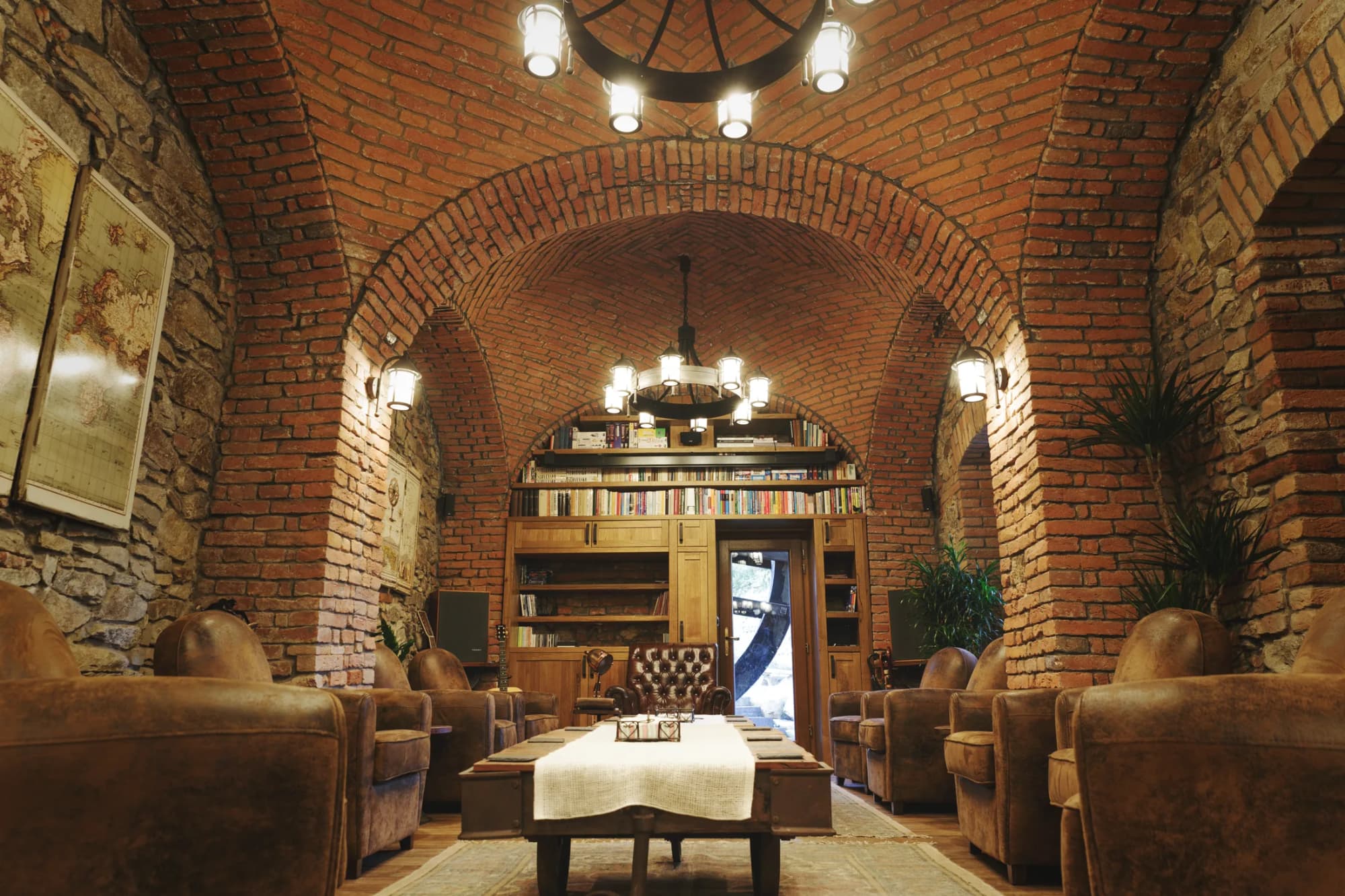
You do not have to take an active part or disclose private matters. You can ask questions and contribute if you wish. You choose your own level of involvement.
You do not have to take an active part or disclose personal matters during the workshops. You can ask questions and contribute if you wish. We follow these principles:
With the participants’ consent, role-play can be recorded and reviewed by the group. The recording is deleted at the request of the person taking part.
From a two-hour lecture to a four-day program built on your own situations. We recommend that you start with an initial workshop, you decide what you've been through.
3 hours · 10–20 participants
Get to know the content, trainer and setting before deciding.
An introduction to the four skills and our way of working.
200 € / person
Request an offer1 day · 8–12 participants
For those who want to recognise these skills in themselves and others.
Explanation and examples of use in everyday situations.
500 € / person
Request an offer2 days · 8–12 participants
For those who want to start using the skills as well as understanding them.
Practice through role-play in simulated situations.
1 000 € / person
Request an offer4 days (2 + 2) · 8–12 participants
For a specific situation in your team or at home. There is a 2–3 week break between the two parts.
Role-play based on your own situations, including appraisal conversations, team meetings and negotiations.
1 500 € / person
Request an offer2 days · 8–12 participants
Only for graduates of the complete or applied workshop.
Repetition, sharing experiences, types of intelligence and forms of power in relationships.
1 000 € / person
Request an offer2 hours · 20–50 participants
Interpretation of the lecturer on four skills and examples of their applications in family and personal relationships as well as in working relationships and processes.
100 € / person
Request an offerThe price includes refreshments, drinks and lunches during the programme, a tour of the centre, working materials and a certificate of completion. We tailor programmes for private groups after an initial consultation.
Request an offer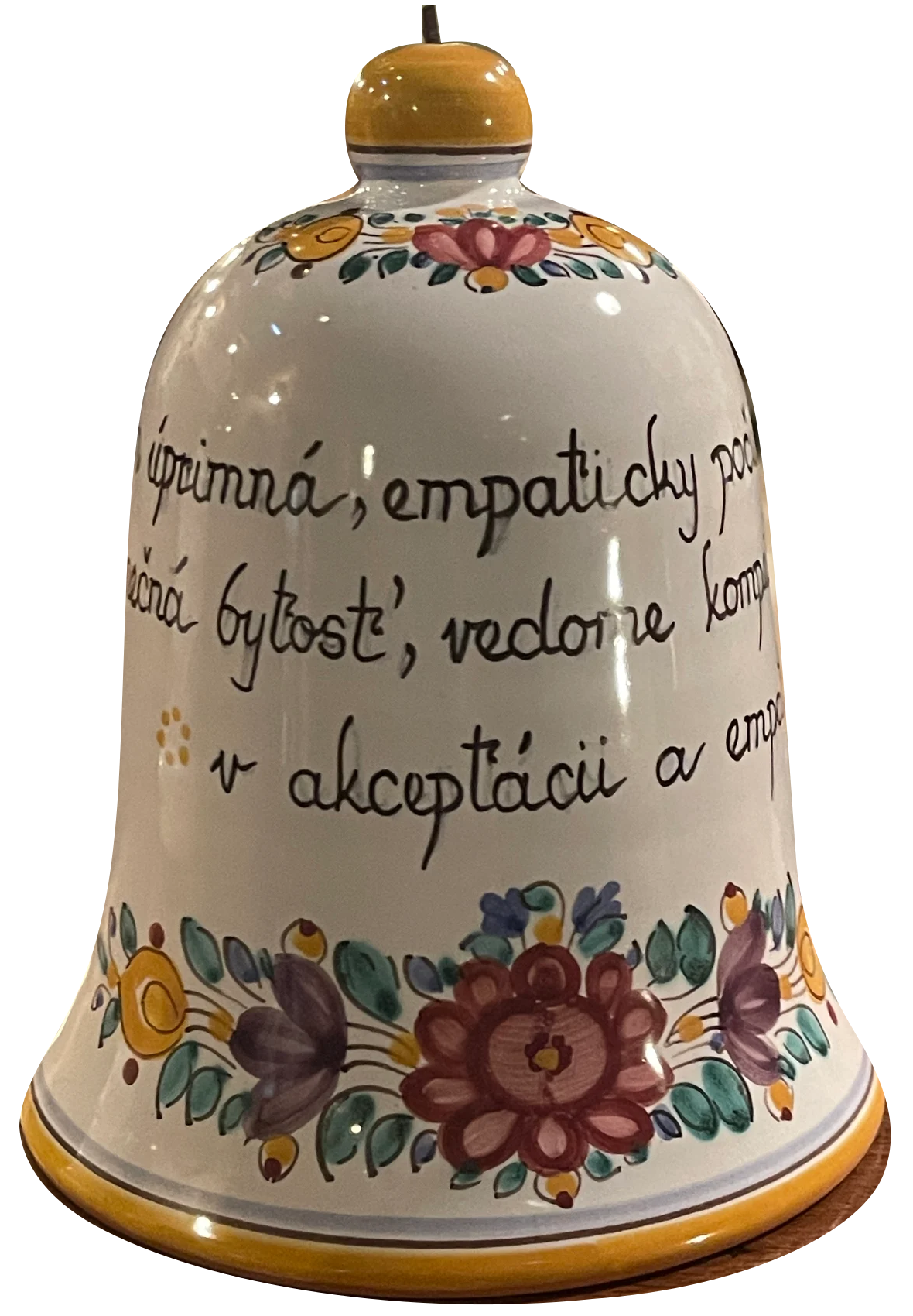
Modra ceramic bells commemorate meeting and working together to restore relationship skills.
Showing 4 of 4 photos.
Meet the trainers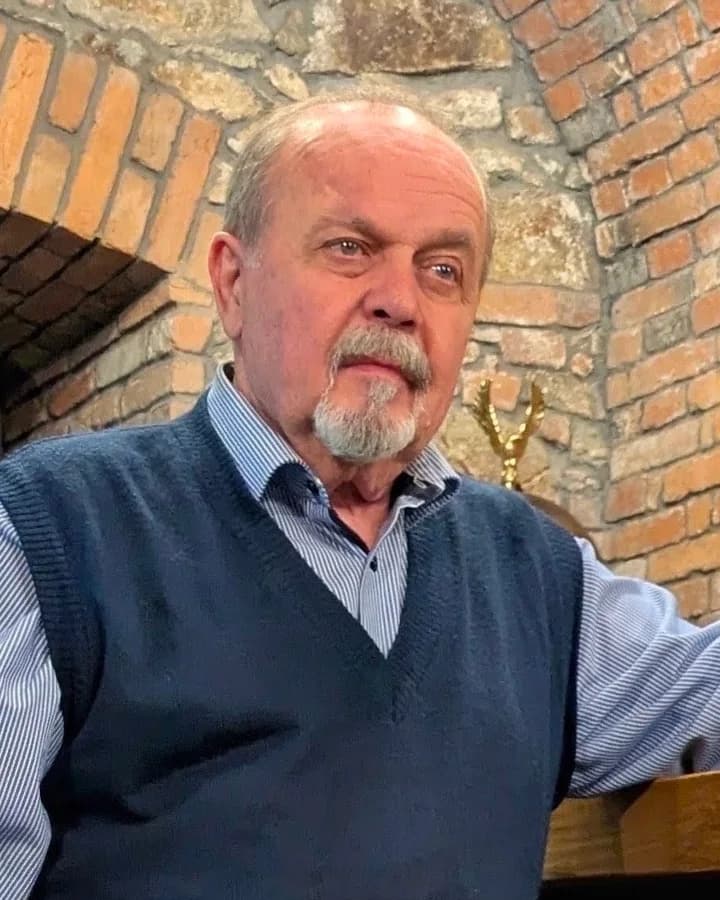
Program Maker and tutor
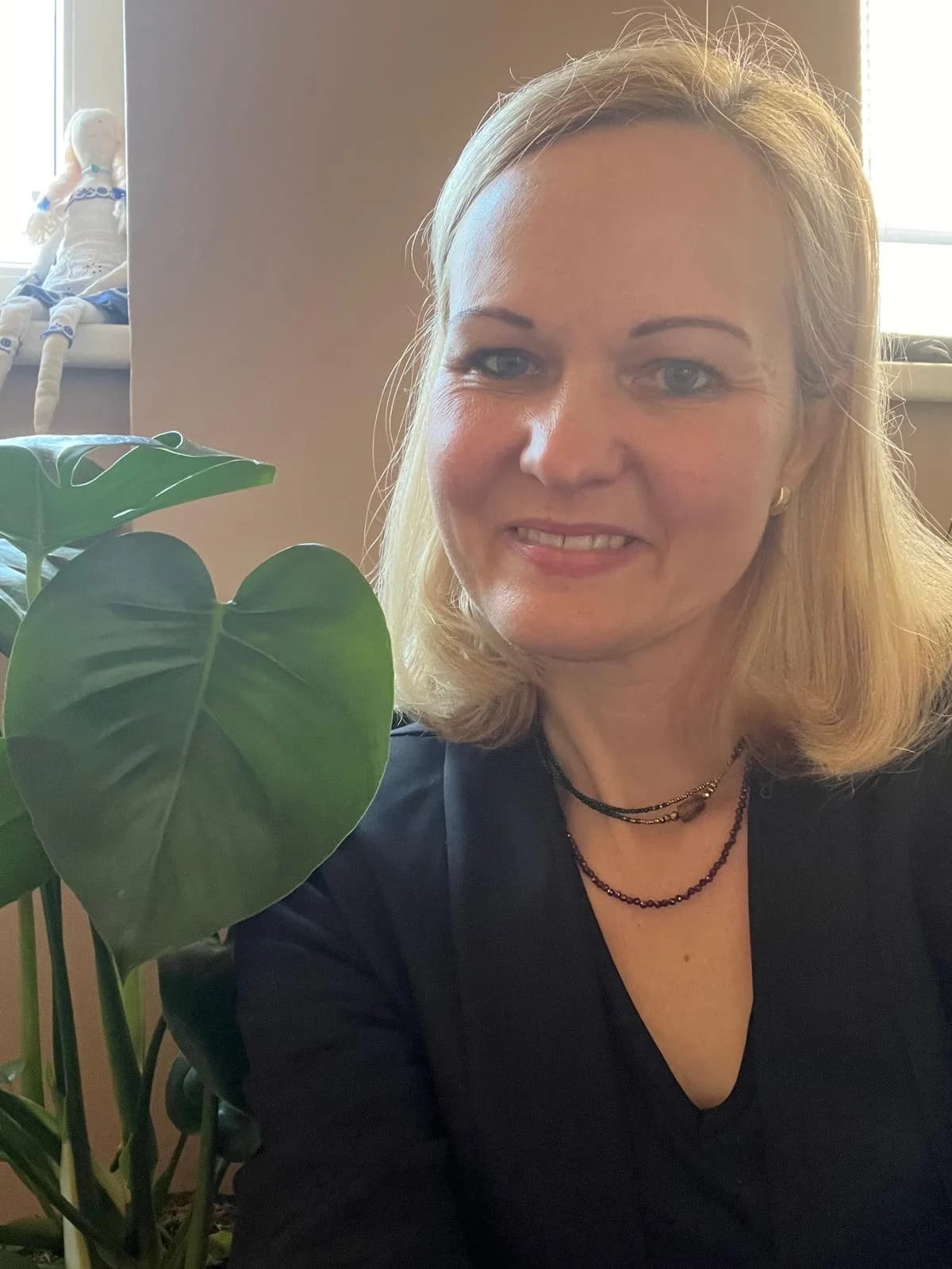
Clinical psychologist and lecturer
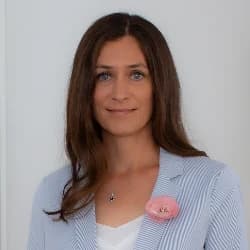
Expert assistant at FM UK and lecturer
For managers and teams, individuals and families, young people aged 15–24 and state and public administration.
Yes. The content and form shall be adapted after the initial consultation.
No. You choose the level of engagement yourself, and the group is bound by a vow of discretion.
Yes. The form and conditions of issue shall be confirmed by the organiser in a particular programme.
Pri starom mlyne 3499, 900 01 Modra – Harmónia, na úpätí Malých Karpát. Organizačné pokyny dostanú účastníci s potvrdením termínu.
The deadline will be agreed by program and group. Write us your options and confirm availability.
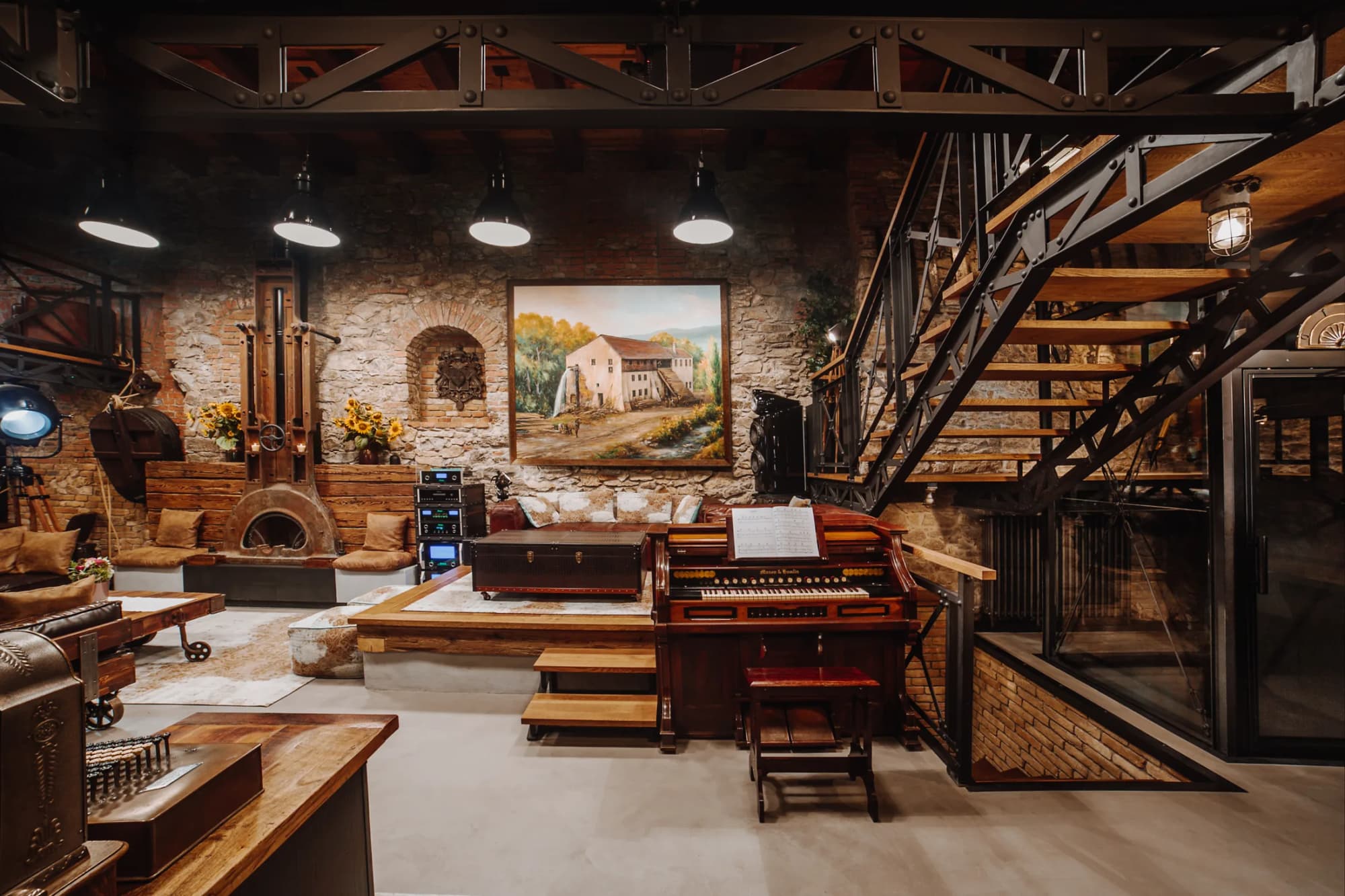 Explore the spaces
Non-binding enquiry
Write to us what's going on. We'll be in touch and together we'll determine which format makes sense.
Or call: +421 903 700 120