Historical Map
Saw Topľa and Pan sidewalk
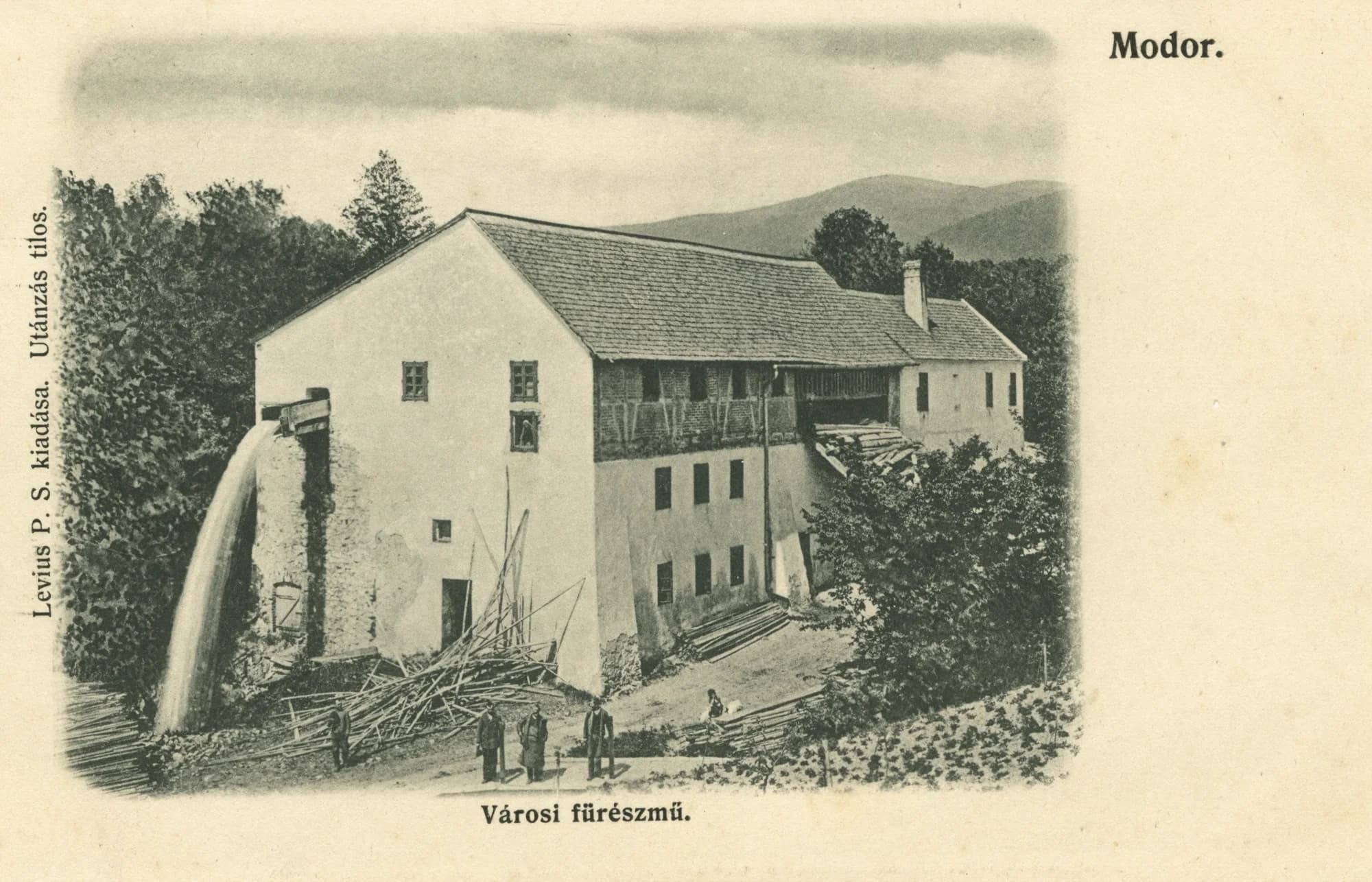
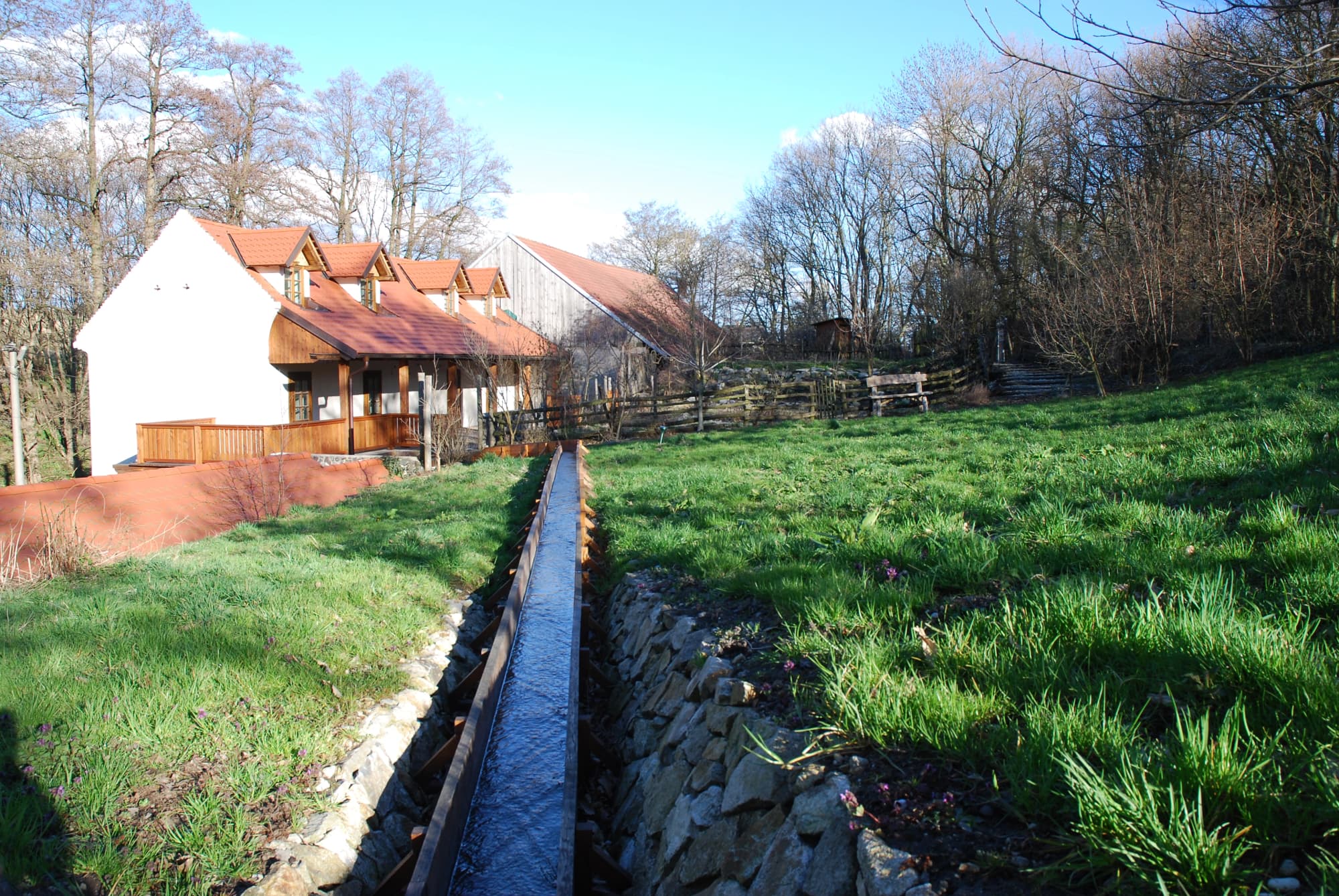
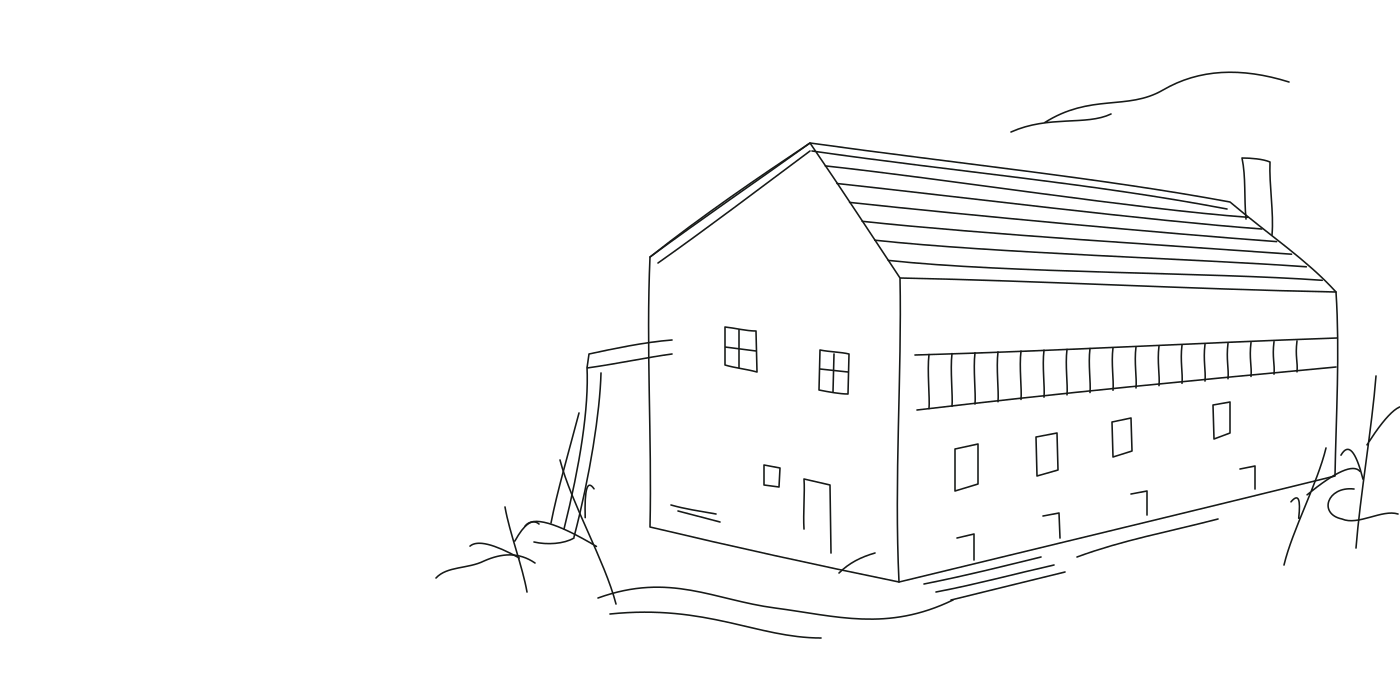
The building is connected with the original water mill and water saw Píla Topľa in a local area whose older local name was Panský trail. Historical map near the site presents the year 1720 .
English translation prepared with machine translation. The Slovak version is the original. Documents, recordings and text in images retain their original language.
We all have the skills for good relationships within us. Our environment, at home, at school and at work, gradually leads us to stop using them. My work is to help you rediscover what is already within you and begin using it consciously, then unconsciously and naturally.
In my workshops, I introduce four relationship skills and guide participants through practising them. Participants try them in simulated conversations and connect them with specific situations in their family, school or workplace.
In years 2002 and 2003 led to Slovakia education lecturers Ernest „Ernie“ Meadows , a collaborator Carl Rogers . Rogers is one of the founders of humanist psychology and author of a human-centred approach, Person Centered Approach, PCA.
Meadows transferred that approach from therapy to management, management and conflict resolution. He trained us in Malé Vozokany , at Smolenice Castle and at the U Count Castle in Nitra .
I then completed four years of comprehensive training under his guidance in applying PCA (Person Centered Approach) to workplace and personal relationships at CAMELOT and CSP (Center for Studies of the Person) in La Jolla, California. I am the holder of a CAMELOT certificate from La Jolly, California, for education in these applications.
In the year 2003 I led my first own workshop at Smolenice Castle. Since then, my groups have passed thousands of executive employees of companies, state and public administration and private individuals.
See Trainings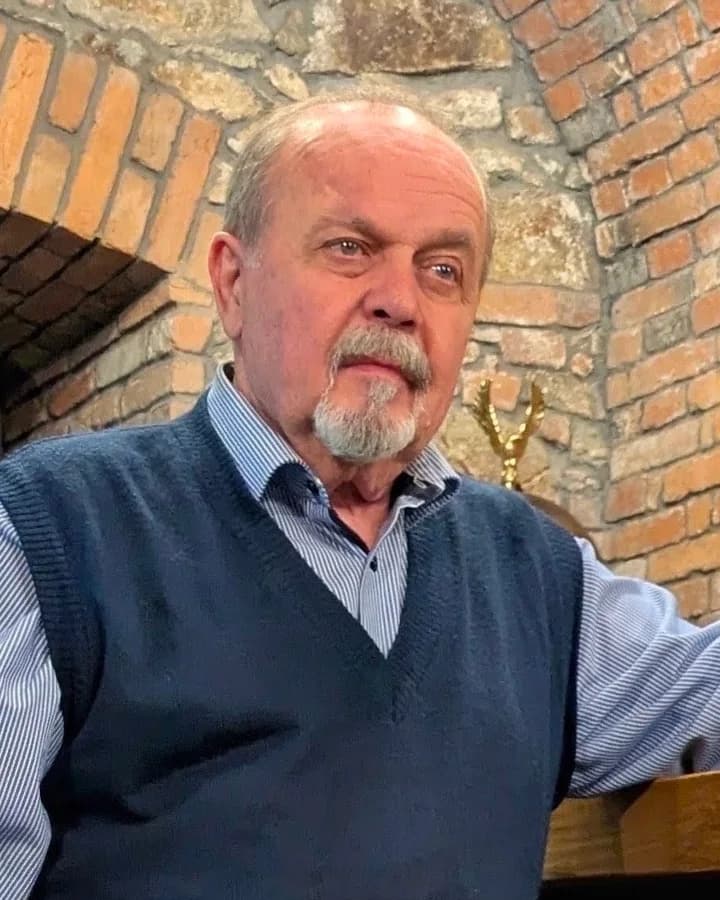
I led the first workshops at the Smolenice Castle. The water mill and the Topľa saw in Modra, Harmónia, I gradually changed to my own relationship education center.
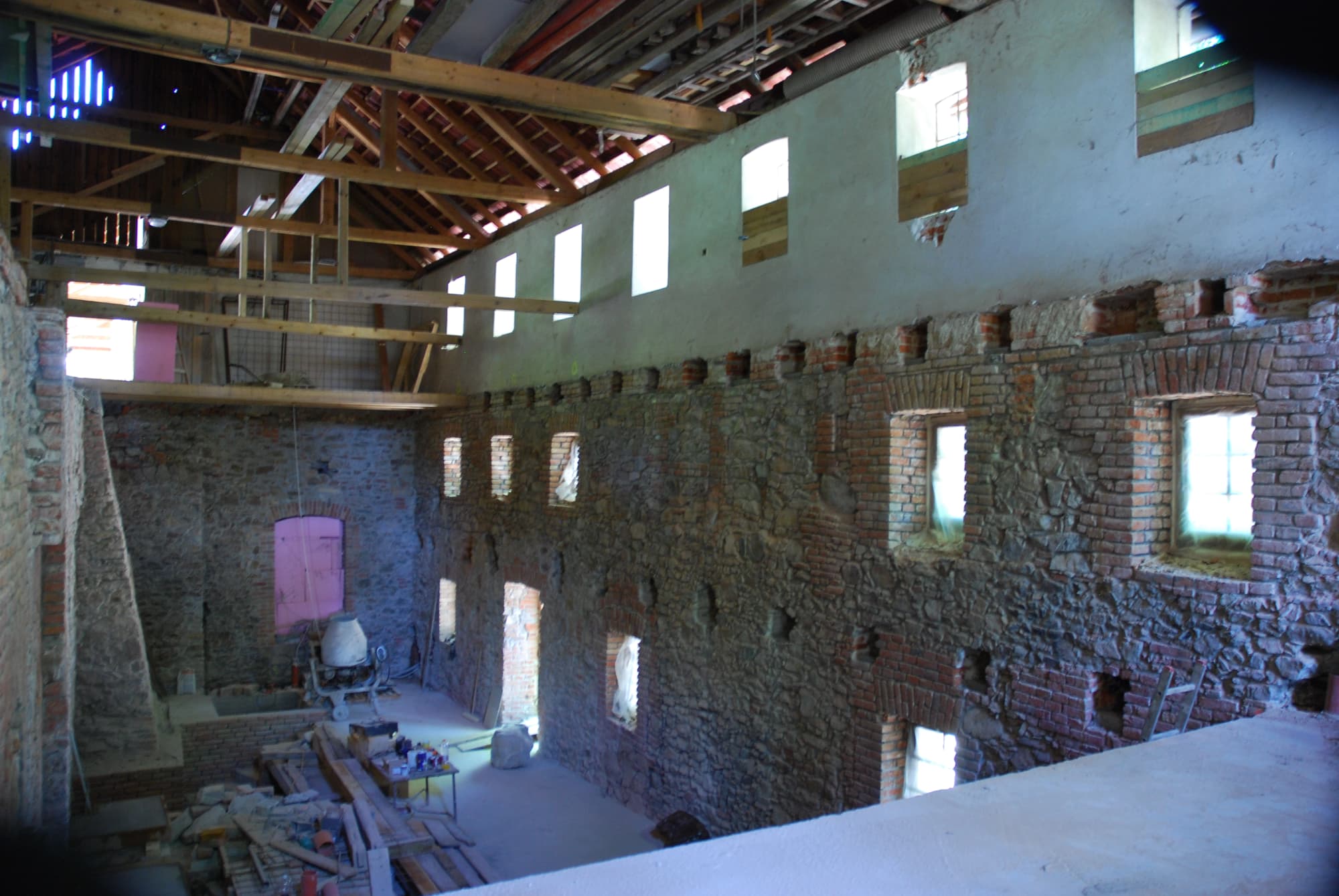
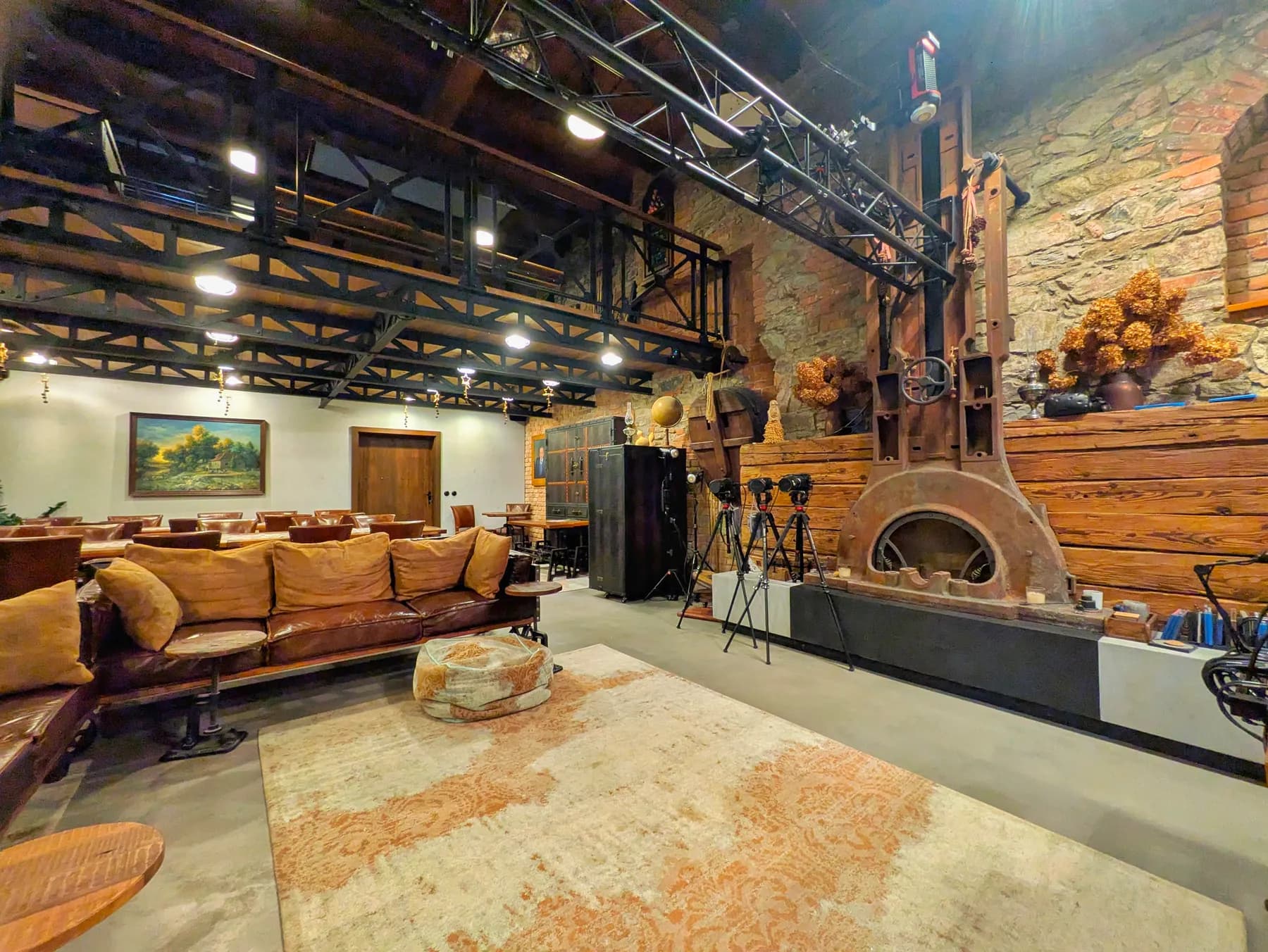
The history of the object on maps is linked to the year 1720 . From the saw, the stone walls remained thick places up to a meter, and the only incomplete garter of its side wall today forms the portal fireplace in the central hall.
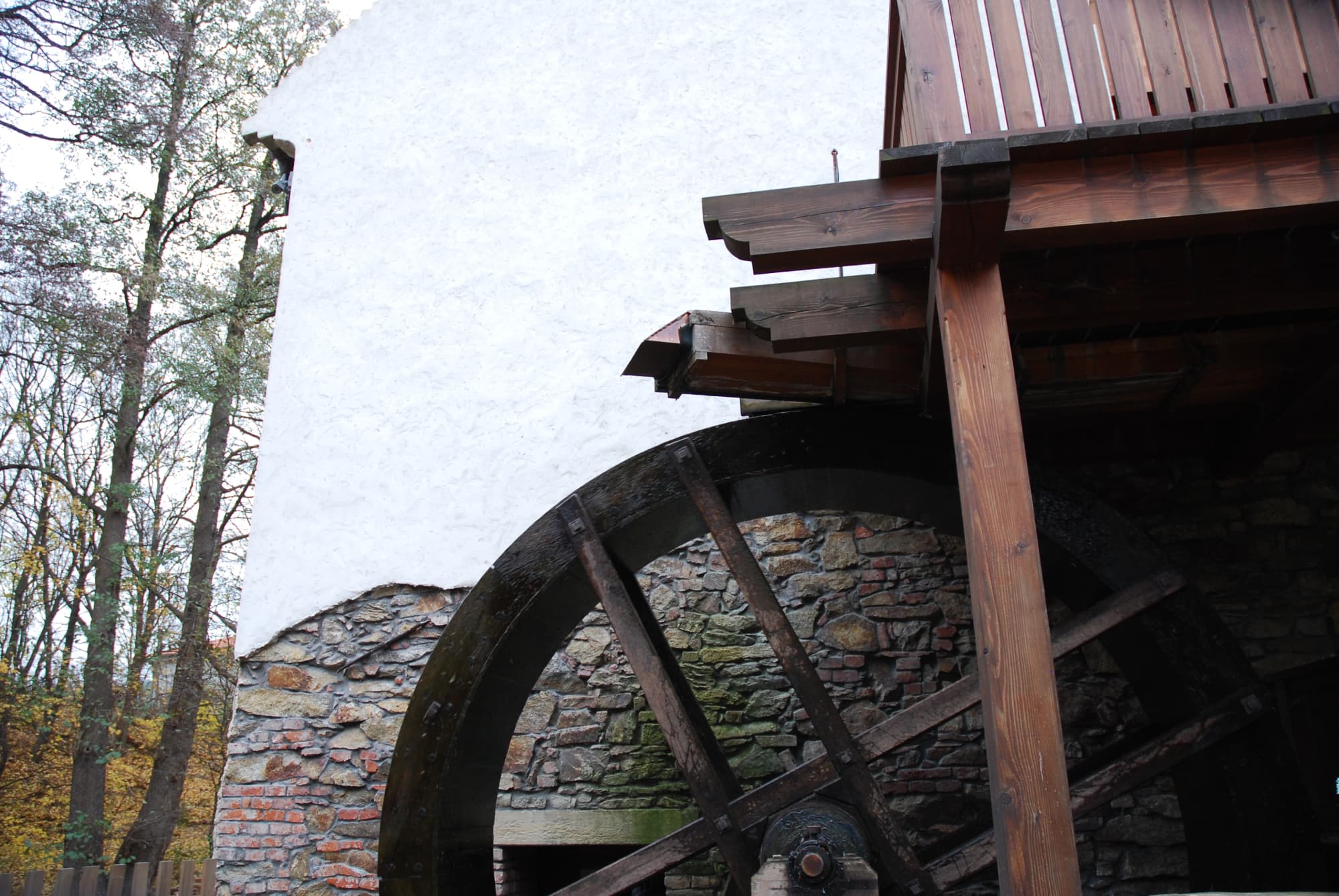
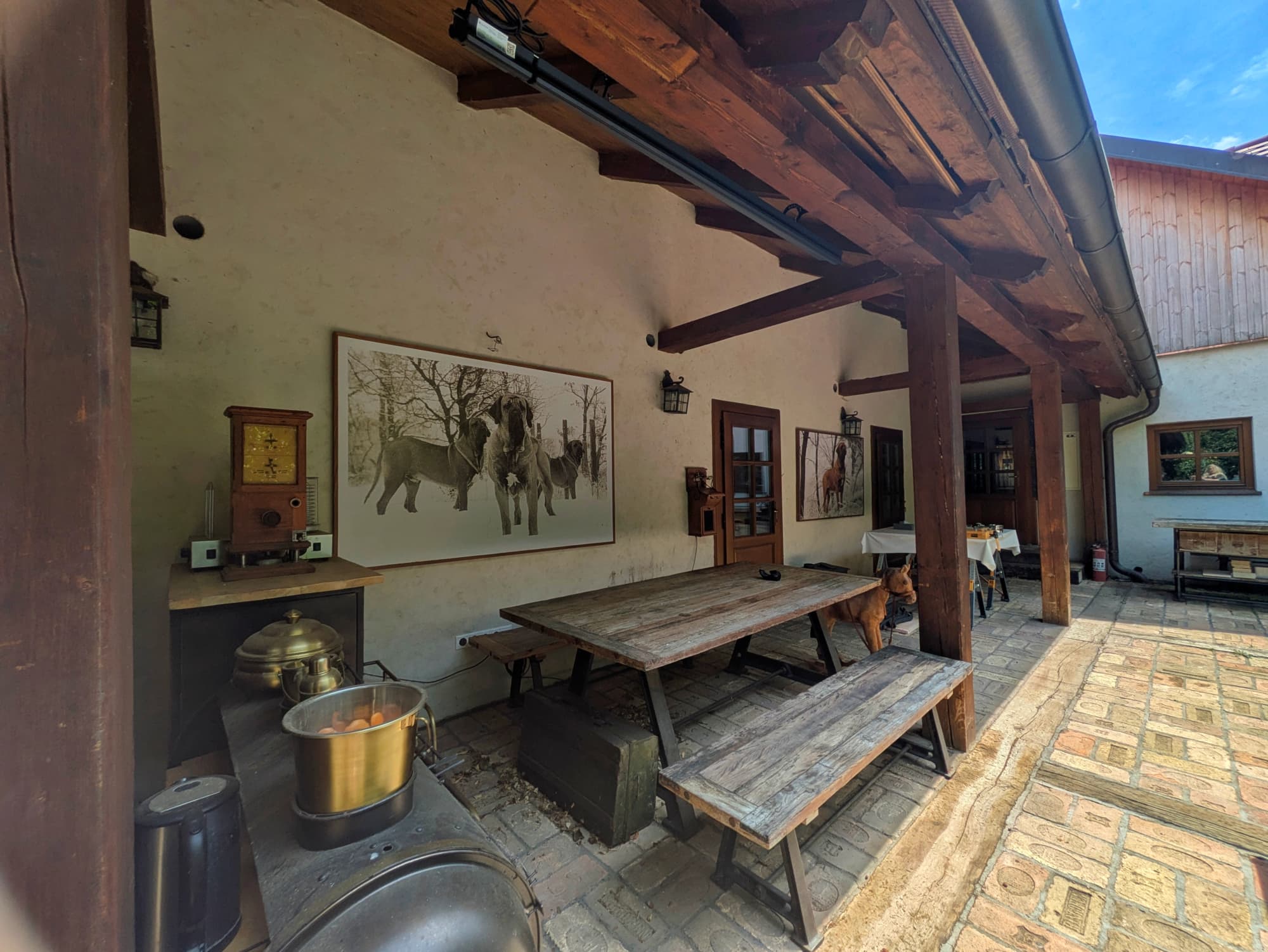
The renewed mill wheel has a diameter of 4,5 metro. Four floors and approximately 900 square meters connect old bricks and wood with the current educational background.
Explore the spaces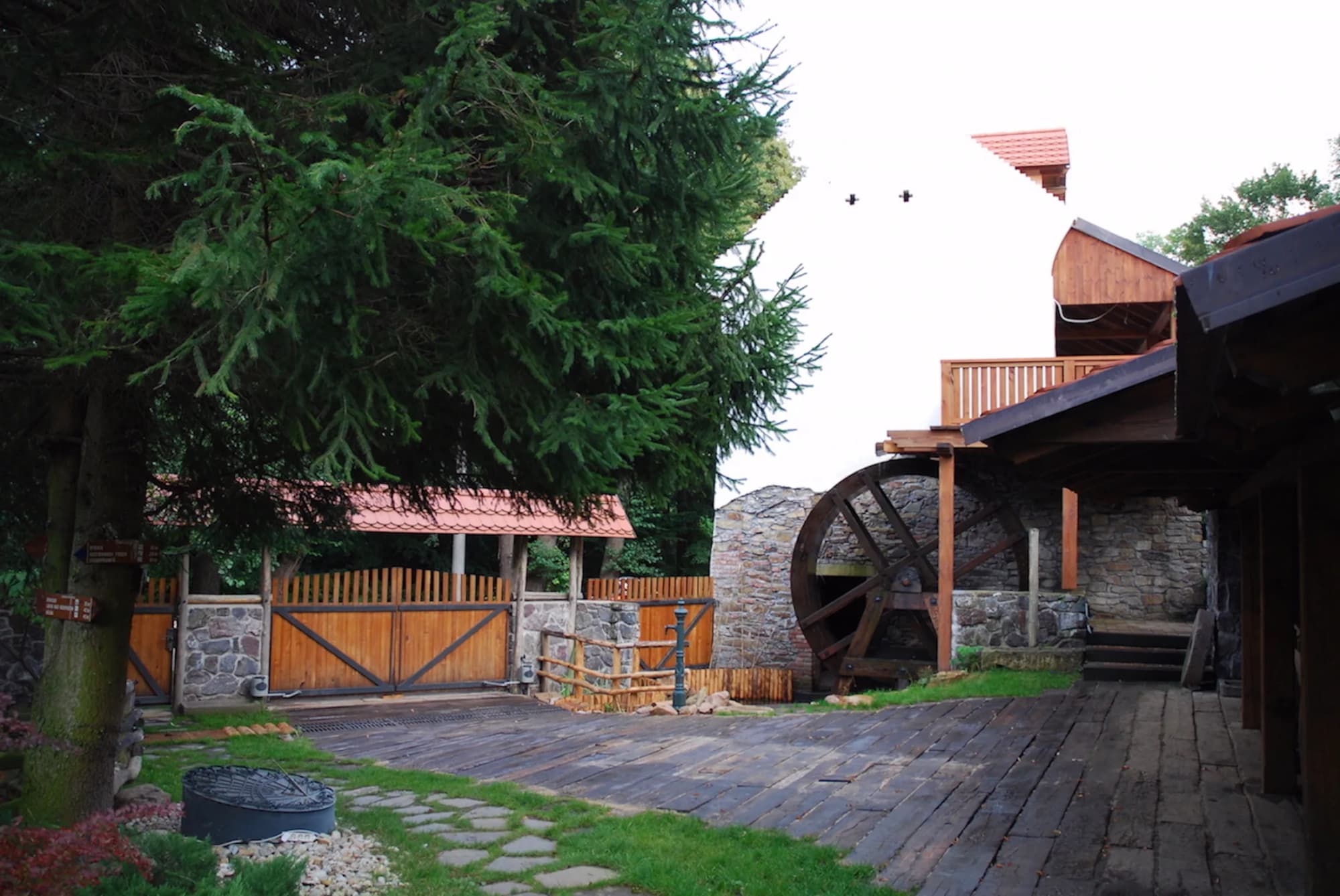
The water mill and the Topľa saw in Modra, Harmónia, I gradually changed to HARMÓNIUM, where I am teaching and meeting with the community of other lecturers I have trained. The area for education is different from the hotel halls and meeting rooms of institutions.
I run workshops for managers, teams, families and young people. I work in small groups, with model situations and the experience of participants. I've been trained by four other lecturers.
Respect is not weakness. It's a skill and you can learn.
Dr. Peter ŠVEC, PhD.
Historical Map
The building is connected with the original water mill and water saw Píla Topľa in a local area whose older local name was Panský trail. Historical map near the site presents the year 1720 .
Initial operation
The water wheel should have been placed inside so that it would not freeze in winter; according to the outcome of the wooden drive, its average is estimated to be approximately 9 meters. On the highest floor there were two massive garters and a millstone for flour milling in a smaller adjacent building.
Around 1890
Around the year 1890 was the object incorporated into the property of Modra as a City Saw. The annual capacity of the operation was up to 2 000 trees.
1909
The original water wheel was replaced by a water turbine. The operation of the saw was later gradually limited.
To 1950
At the end of the sawing, the object was used for operational and technical and warehouse purposes. Although he significantly lost, stone walls of up to one metre thick remained statically firm.
A New Life
Dr. Peter ŠVEC , PhD., bought the building and started its gradual reconstruction. It preserved the technical character of the building; the side wall of the only found incomplete garatra today forms the portal fireplace in the central hall.